
Cannabis trim is a waste product, but a small effort can turn it into something valuable. Check out these 10 ways you can turn your marijuana trimmings into big profits. Home page of the Island Clippings Newspaper on St. Joseph's Island (705) 246-7678 islandclippings@gmail.com. Island Clippings. Connecting Our Commnunity.
Any clippings clogging the blades or spilling out onto the bathroom counter will be a thing of the past. THE BEST BEARD TRIMMER: SHAPE YOUR FACIAL HAIR WITH EASE CARSEN JOENK JANUARY 19, 2021 POPULAR SCIENCE There are a few strategies you can employ to make clipping as easy as possible, which will save energy and help you climb with better flow. Nov 1955 Magazine Clippings Cut Outs, 15 piece Vintage Magazine Ads, For collage, art journal, junk journal, mixed media, crafts. JournalCompany 5 out of 5 stars (231) $ 6.75. Only 1 available and it's in 1 person's cart. Add to Favorites Magazine cutouts, magazine clippings, vision board, scrapbooking. 90s Magazine Clippings and Early 2000s LOT From Vintage Magazines, 90s Time Capsule - 20 or More Pieces letslovevintage 5 out of 5 stars (380) $ 14.95. Only 1 available and it's in 5 people's carts. Add to Favorites Succulent cuttings - 14 Colorful Succulent Mystery Variety - live plant clippings - diy crafts, fairy mini-gardens, beginner.
Many farmers and home gardeners have reported damage to vegetable and flower crops after applying horse or livestock manure, compost, hay, or grass clippings to the soil. The symptoms reported include poor seed germination; death of young plants; twisted, cupped, and elongated leaves; misshapen fruit; and reduced yields. These symptoms can be caused by other factors, including diseases, insects, and herbicide drift. Another possibility for the source of these crop injuries should also be considered: the presence of certain herbicides in the manure, compost, hay, or grass clippings applied to the soil.
The Herbicides of Concern
Skip to The Herbicides of ConcernAminopyralid, clopyralid, and picloram are in a class of herbicides known as pyridine carboxylic acids. They are registered for application to pasture, grain crops, residential lawns, commercial turf, certain vegetables and fruits, and roadsides (Table 1). They are used to control a wide variety of broadleaf weeds including several toxic plants that can sicken or kill animals that graze them or eat them in hay. Based on USDA-EPA and European Union agency evaluations, when these herbicides are applied to hay fields or pasture, the forage can be safely consumed by horses and livestock—including livestock produced for human consumption. These herbicides pass through the animal’s digestive tract and are excreted in urine and manure. They can also remain active in the manure even after it is composted. The herbicides can also remain active in hay, straw, and grass clippings taken from treated areas. The herbicides leach into the soil with rainfall, irrigation, and dew. As with many other herbicides, they can remain active in the treated soil.
Pasture and hayfields | Commercial turf and lawns | Commercial vegetables and fruits |
Curtail (2,4-D + clopyralid) | Confront (triclopyr + clopyralid) | Stinger (clopyralid) |
Forefront HL (aminopyralid + 2,4-D) | Lontrel (clopyralid) | |
GrazonNext HL (aminopyralid + 2,4-D) | Millennium Ultra 2 (2,4-D + clopyralid + dicamba) | |
Grazon P + D (picloram + 2,4-D) | ||
Milestone (aminopyralid) | ||
Transline (clopyralid) | ||
Surmount (picloram + fluroxypyr) | ||
| All products listed are manufactured by Dow Agrosciences, LLC with the exceptions of the Millennium products by Nufarm Americas Inc. and Clopyr AG by United Phosphorus, Inc.. Herbicide product names and formulations change; always check labels for active ingredients. | ||
Picloram, clopyralid, and aminopyralid can remain active in hay, grass clippings, piles of manure, and compost for an unusually long time. These herbicides eventually break down through exposure to sunlight, soil microbes, heat, and moisture. Depending on the situation, the herbicides can be deactivated in as few as 30 days, but some field reports indicate that complete deactivation and breakdown can take several years. Hay has been reported to have residual herbicide activity after three years’ storage in dry, dark barns. Degradation is particularly slow in piles of manure and compost. When mulches, manures, or composts with residual herbicide activity are applied to fields or gardens to raise certain vegetables, flowers, or other broadleaf crops, potentially devastating damage can occur (Table 2).
Beans | Carrots | Compositae family |
Cotton | Dahlias | Eggplant |
Flowers, in general | Grapes | Legumes |
Lettuce | Marigolds | Mushrooms |
Peas | Peppers | Potatoes |
Roses, some types | Spinach* | Sugar beets* |
Strawberries* | Sunflowers | Tobacco |
Tomatoes | Umbelliferae family | Vegetables, in general |
* Applies to aminopyralid and picloram only. This information was obtained from product labels of many of the herbicides listed in Table 1, the Corteva Agriscience Aminopyralid Stewardship (pdf), and the Corteva AgriScience Manure Matters web site. | ||
How to Prevent Herbicide Damage to Non-Target Plants
Skip to How to Prevent Herbicide Damage to Non-Target PlantsThe label on every herbicide contains detailed instructions, including animal feeding restrictions and safe use of manure or crop residues. When used as directed on the labels, these herbicides should not cause the problems noted above. The manures and plant residues are safe to apply to grass pastures and grass hayfields, effectively recycling them. Most of these herbicides have a crop rotation restriction of at least 12 months before certain vegetable or forage legume crops can be planted in treated land.
The problems arise when the hay, manure, grass clippings, or other affected materials are sold or given to others who have no knowledge of the herbicides used or of the adverse effects their residues can have on other plants. The information about the herbicide persistence and effects on broadleaf plants does not always follow the hay, manure, compost, or other materials. Every individual in the chain of use of products treated with these herbicides should provide detailed information on the herbicide restrictions to prevent potentially catastrophic problems for other farmers, gardeners, and for themselves (including possible liability).
Hay Producers and Dealers
If you raise hay, make sure you know if any herbicide used has the potential to remain active in the manure or urine after consumption. Communicate —verbally and in writing—if manure is not suitable for use as a fertilizer, soil amendment, or compost for broadleaf plants. Landowners should know and have a written record of the herbicides applied to their fields.* Custom applicators must use all registered herbicides in a manner consistent with their labeling and should communicate what products are applied to customers’ fields and provide a copy of the herbicide label(s). The labels provide all the information on restrictions.
The herbicides of concern can also remain active on the hay itself. Do not sell or give away treated hay (even if it is several years old) for use as mulch or for making compost. The hay can be sold for consumption by livestock and horses, but be sure the purchaser is aware that the herbicide may pass through into the manure. Advise people feeding this hay to their animals to spread the manure on grass pastures or grass hayfields (sample herbicide carryover advisory), being sure to follow all safety guidelines and regulations. According to the labels, plant materials treated with these herbicides should not be considered safe for growing sensitive crops until the plant materials are completely decayed. Breakdown of the herbicides is most rapid in sunlight under warm, moist conditions and may be enhanced with irrigation. Accelerate breakdown of plant residues by incorporating them evenly into the surface soil.
Livestock and Horse Owners
If you buy hay for your animals, ask the farmer or seller which herbicides, if any, were used in producing the hay. Consult a copy of the herbicide label. A simple indicator that these herbicides were likely not used in the production of hay is the presence of legumes such as lespedeza, clovers, or alfalfa. If the hay has legumes in it, it has probably not been treated with any of these herbicides. The absence of legumes in hay, however, does not mean that these herbicides are present. If you do not know the herbicide history of the hay, do not sell or give away the manure from animals who consumed the hay for use in growing plants or to make compost, as it may contain one of the herbicides of concern. Manures that contain these herbicides can be safely spread on grass pastures or grass hayfields. Contact your local Extension agent or Natural Resources Conservation Service office to develop a manure management plan. Note: It takes three to seven days for most animals’ digestive tracts to clear and the manure produced to be free of any herbicide residue.
Farmers and Gardeners Wanting to Use Manure or Compost
Before acquiring or using manure—fresh, aged, or composted—ask what the animals were fed, the origin of the hay, and what, if any, herbicides were used on the hay or pasture. Some livestock owners can tell you this, but many might not know the products used or origin of the hay they purchased. They may suggest the manure is “safe” because their animals have not been affected. If you don’t know which, if any, herbicides were used, use the bioassay described below to test for the presence of these herbicides. Do not use the manure or compost to grow sensitive crops without knowing its herbicide history or testing to see that it is safe. If you find yourself with a small quantity of contaminated manure or compost, spread it on a grass pasture, grass hayfield, or nonsensitive, non-food crop area.
Take great care in using contaminated manure or compost to grow nonsensitive commercial food crops. Consult the herbicide product label to determine if the pesticide is registered for use (legally permitted to be applied) to that crop. If the product has already been applied to the soil, tilling it several times during the growing season, irrigating the area, and planting it into a non-sensitive cover crop for a year or two will help the herbicides break down. Conduct a pot or field bioassay, as described below, before planting any sensitive crops in the area.
Farmers and Gardeners Wanting to Use Hay or Grass Clippings
If you want to use hay or grass clippings as mulch or in your compost pile, find out what, if any, herbicides were used on the field or turf area. Be particularly careful about obtaining grass clippings from golf courses and other commercial turf fields where these herbicides are commonly used. Most homeowners do not use these herbicides because they are not labeled for use on residential lawns. Be careful about obtaining hay or grass clippings from sites where herbicides of concern may be commonly used. For instance, clopyralid-containing products have not been registered for use in residential lawns since 2002, so if pesticide applicators have followed label directions, clippings from residential lawns should not present a problem to use as mulch around vegetables and ornamentals.
As previously mentioned, the safest practice in residential lawns is to return grass clippings to the lawn. If you find yourself with contaminated hay or grass clippings, spread them on non-sensitive, non-food crop areas, burn them, or arrange to have them disposed of safely. If the hay or grass clippings have already been applied to the field or garden, remove them if possible, till the soil (multiple times will enhance degradation), sow a non-sensitive cover crop, and let it grow for a year or two to help the herbicide break down. Conduct a pot or field bioassay, as described below, before planting any sensitive crops in the area.
How to Test for the Presence of Herbicides: Pot and Field Bioassays
Skip to How to Test for the Presence of Herbicides: Pot and Field BioassaysSome laboratories can test for the presence of these herbicides, but the tests are expensive and may not be as sensitive as a plant bioassay that you perform yourself. This simple pot bioassay involves growing beans, peas, or tomatoes, which are very sensitive to the presence of these herbicides, in the aged manure or compost.
First, take a number of random, representative samples (small shovelfuls) from throughout the pile of aged manure or compost, being sure to get deep inside the pile. Mix thoroughly. If there are separate sources of manure or compost, conduct individual assays for each. Prepare three to six small (4- to 5-inch) pots with a 1:1 mix of the manure or compost with a commercial potting mix containing fertilizer. Fill several control pots with only the commercial potting mix. Put saucers underneath each pot, or position the pots far enough apart so that water running out of the bottom will not reach another pot. Plant three pea or bean seeds in each pot, water, and let them grow for two to three weeks. There should be at least three sets of true leaves on the peas or beans.
If the plants in the control pots grow normally and the ones in the pots with manure or compost do not, you can assume the manure or compost is contaminated with an herbicide that will adversely affect sensitive plants. If they all grow normally, it would be reasonable to assume that the manure or compost is fine. A similar test can be done with young tomato transplants, but herbicide damage may not appear until the plants first set fruit. In our studies, fruiting occurred five to seven weeks after the plant had been set in the mix. Keep in mind that these tests will be only as good as the samples you take. It would be better to err on the side of too many samples than too few (at least 20 per pile). You can create a similar test for hay or grass clippings by filling the pot with commercial potting mix and spreading a thick layer of the hay or grass clippings on top. This bioassay is explained in detail on the Corteva Agriscience Manure Matters web site and on the Washington State University web site (it recommends two parts manure or compost to one part potting soil).
If a field or garden site has previously been treated with one of the herbicides of concern or been contaminated through the application of treated manure, compost, hay, or grass clippings, a field bioassay can be conducted. Plant peas or beans in short rows scattered throughout the affected area. If herbicidal symptoms appear, do not plant sensitive plants; plant grasses. Test again the following year. If the test plants grow normally, it should be safe to grow broadleaf crops.
Responsible Herbicide Use = Healthy Farms and Gardens
Skip to Responsible Herbicide Use = Healthy Farms and GardensAnimal manures and composts made from them are excellent sources of nutrients and organic matter for growing food crops. Soils mulched or amended with manure and compost become dark, aromatic, fertile, and active with earthworms and beneficial microorganisms. Farmers and gardeners are encouraged to use these products but must exercise proper caution to prevent damage.
Herbicides are important tools that hay producers use to produce quality, weed-free hay. The use of these herbicides is no more likely in North Carolina than in any other state. Many North Carolina hayfields and pastures do not have herbicides applied on a regular basis. Hay and pasture acreage is among the “greenest” in North Carolina, delivering multiple environmental benefits.
Remember that each pesticide product label states, “It is a violation of Federal law to use this product in a manner inconsistent with its labeling.” Everyone should read an herbicide’s product label instructions before use. All parties need to be aware of the possibility of residual herbicide activity. Hay producers should inform buyers about herbicides they have applied to their fields and provide them with a copy of the herbicide label with the restrictions. Likewise, livestock and horse owners who give or sell manure for composting or crop production should be aware of what they are feeding their livestock and horses and share that information. All parties should communicate with the end users of the hay and manure. Farmers and gardeners should ask about the herbicide history of manure, compost, hay, or grass clippings they acquire. Farmers and gardeners need to be fully informed about what they are applying to their soil because the results can be disastrous for a farm business or gardener if one of these herbicides has been applied.
Much of the information for this article came directly from the herbicide product labels and the United Kingdom Corteva Agriscience web site devoted to this issue.
Washington State University web site on clopyralid carryover. Includes pictures of affected vegetables, research results, and the bioassay protocol.
Article from Minnesota Extension explaining the problem in hay and how to avoid it. The article is devoted to “ditch hay,” but the information is relevant to all hay.
CDMS Agro-chemical database with access to all the herbicide labels.
Agriscience United Kingdom web site with information on aminopyralid.
North Carolina Agricultural Chemicals Manual for information on recommended pesticides for use in North Carolina.
Herbicide Carryover in Manure—Last of the Tomato Study Results is a description of a small study conducted by one of the authors.
- Keywords:
Find more information at the following NC State Extension websites:
Publication date: Feb. 19, 2020
AG-727
N.C. Cooperative Extension prohibits discrimination and harassment regardless of age, color, disability, family and marital status, gender identity, national origin, political beliefs, race, religion, sex (including pregnancy), sexual orientation and veteran status.
Also found in: Thesaurus, Medical, Encyclopedia.
clip·ping
(klĭp′ĭng)n.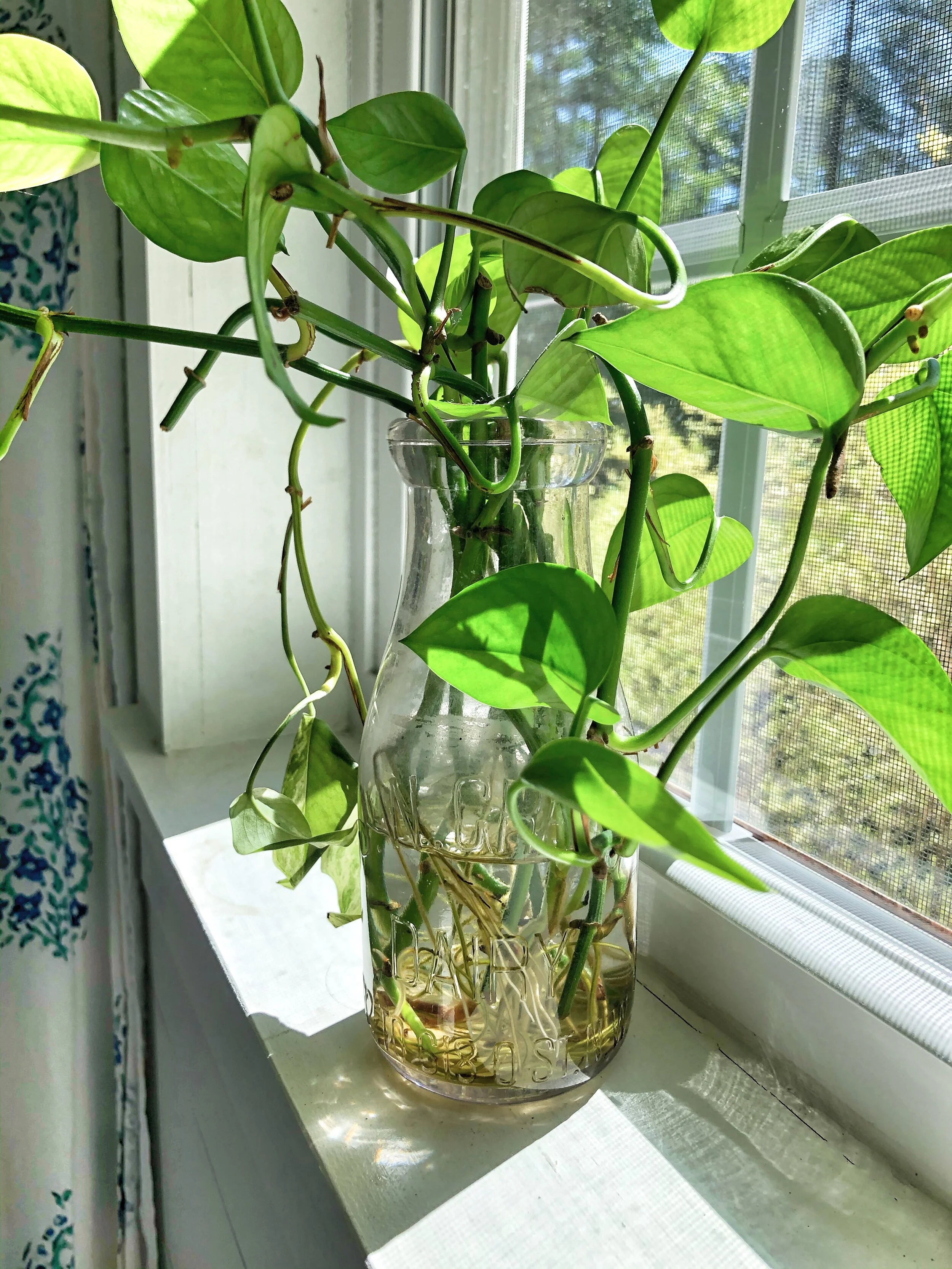
clipping
(ˈklɪpɪŋ) nclip•ping
(ˈklɪp ɪŋ)n.
clipping
| Noun | 1. | clipping - an excerpt cut from a newspaper or magazine; 'he searched through piles of letters and clippings' newspaper clipping, press clipping, press cutting, cutting excerpt, excerption, extract, selection - a passage selected from a larger work; 'he presented excerpts from William James' philosophical writings' |
| 2. | clipping - cutting down to the desired size or shape cutting off, cutting, cut - the act of shortening something by chopping off the ends; 'the barber gave him a good cut' | |
| 3. | clipping - the act of clipping or snipping snip, clip cutting off, cutting, cut - the act of shortening something by chopping off the ends; 'the barber gave him a good cut' |
clipping

clipping
[ˈklɪpɪŋ]N (from newspaper) → recortemclipping
[ˈklɪpɪŋ]n(from newspaper) → coupuref de journalclipping
clip1
(klip) – past tense past participle clipped – verbclipping
→ قُصَاصَة výstřižek udklipAusschnittτομήrecorte lehtileikecoupure izrezakritaglio 切り抜き 절단krantenknipselklippingwycinekartigoвырезка stickling การตัดgazete kesiği bài báo cắt ra切片
Clippings Fere
Clippings
Want to thank TFD for its existence? Tell a friend about us, add a link to this page, or visit the webmaster's page for free fun content.Link to this page:
Clippings.me